Whistleblowing Advice for Individuals
Clear, confidential advice to help you raise concerns safely and understand your rights if things go wrong.
Raising concerns at work can feel risky, particularly if you are unsure how your employer will respond. Getting the right advice early can make a significant difference to how things unfold.
We advise employees, workers and senior executives on whistleblowing and protected disclosures – from deciding whether to raise concerns through to dealing with the consequences.
If you have already spoken up and are facing difficulties at work, we can help you understand your rights and options, including whether you may have a claim. Our approach is practical, discreet and focused on protecting your position.
Advice Before You Raise Concerns
If you are thinking about raising concerns, it is important to understand where you stand before taking any action.
We can advise on whether your concerns are likely to qualify as a protected disclosure and how best to raise them. This includes guidance on who to report to, whether to do so internally or externally, and how to present your concerns clearly.
Taking advice at this stage can help you avoid common pitfalls and reduce the risk of problems later on.
Support After You Have Whistleblown
If you have already raised concerns and things have become difficult, it is important to understand your legal protections.
We advise on situations where employees experience negative treatment after whistleblowing, such as changes to role, exclusion, disciplinary action or dismissal. We can assess whether this may amount to unlawful detriment or automatic unfair dismissal.
We also support you in deciding next steps, whether that is raising the issue internally, negotiating an exit, or pursuing a legal claim.
Bringing a Whistleblowing Claim
Whistleblowing claims can be complex, particularly where there are disputes about what was said and why decisions were made.
We represent employees in Employment Tribunal claims for whistleblowing detriment and dismissal. We will assess the strength of your case, gather evidence and guide you through the process.
Where possible, we also explore settlement options to achieve a practical resolution without the need for lengthy proceedings.
Settlement & Exit Strategies
In some cases, the best outcome might be to resolve matters and move on.
We advise on negotiating exits following whistleblowing concerns. Our focus is on securing a fair outcome that reflects your position and protects your future career.
We handle negotiations carefully and discreetly, ensuring your interests are properly represented.
Insights
Unlock valuable insights from our articles.
Analysis
Case Study: Streamlining Operations
Learn how we improved efficiency our client

John Doe
24 May 2023
.
5 min read
Analysis
Case Study: Streamlining Operations
Learn how we improved efficiency our client
John Doe
24 May 2023
.
5 min read
Analysis
Case Study: Streamlining Operations
Learn how we improved efficiency our client
John Doe
24 May 2023
.
5 min read
Analysis
Case Study: Streamlining Operations
Learn how we improved efficiency our client
John Doe
24 May 2023
.
5 min read
Analysis
Case Study: Streamlining Operations
Learn how we improved efficiency our client
John Doe
24 May 2023
.
5 min read
Analysis
Case Study: Streamlining Operations
Learn how we improved efficiency our client
John Doe
24 May 2023
.
5 min read

All in a Day’s Work – An Introduction to Whistleblowing in the Workplace
In this episode of All in a Day’s Work, part of the Legal Room UK podcast series, the Alice Hepworth…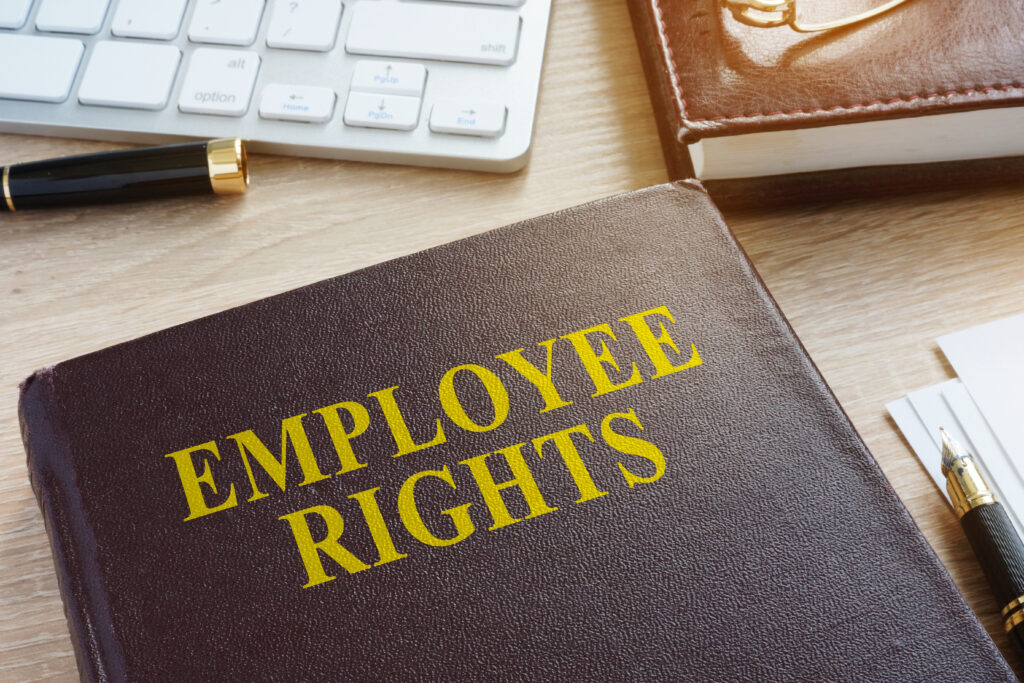
Employment Rights Bill 2025: Key Amendments Employers and Employees Must Know
A series of significant amendments were made to the Employment Rights Bill (ERB) last week, covering key areas such as…
Whistleblowing Policies– Time for a review and refresh?
The Financial Conduct Authority and the Prudential Regulation Authority, place a high priority on protecting whistleblowers from detrimental treatment.
Meet our experts
Dedicated professionals ready to assist you.












Frequently Asked Questions
Find answers to your most pressing questions about our services and processes.
Can I make a protected disclosure and whistleblow?
Yes. All employees are entitled to blow the whistle and make a protected disclosure.
Who can I make a protected disclosure to?
It is likely that your employer has a whistleblowing policy which details how you should raise a protected disclosure. In the event there is not a designated person to whom you should raise your concerns with you should raise this with your line manager in the first instance.
You can also make a protected disclosure to an external body or agency such as a regulatory body.
What protections do I have if I whistleblow?
An employee who makes a protected disclosure is protected by the Employment Rights Act and is protected against being dismissed or subjected to any detriment as a result of the protected disclosure.
A detriment could be classified as being subjected to disciplinary action or being refused a promotion or alternative opportunity in the Company. If you were subsequently dismissed for raising a protected disclosure, the dismissal could amount to an automatically unfair dismissal.